
The Universe as a Temple
The cosmos itself is envisioned as the grand temple of God, a sacred space where His glory is manifest. According to Orthodox doctrine, the universe reveals God through the Word and the Spirit, with the Father creating all things through the Son in the Holy Spirit. The heavens declare His glory (Psalm 19:1), and the entire creation serves as a revelation of the Triune God. St. Maximus the Confessor emphasized that the cosmos is an icon of divine unity and diversity, embedding the Church within this cosmic temple. This view aligns with patristic interpretations that see the world not as a mere backdrop but as a living sacrament, where humanity acts as priests in God’s vast sanctuary. The early Church Fathers, such as St. John Chrysostom, expounded on the firmament and waters above as elements of this cosmic architecture, pointing to God’s transcendent yet immanent presence.
Eden as a Temple Within the Universe Temple
Nestled within this universal temple lies the Garden of Eden, depicted in Scripture as a sacred enclosure where God walked with humanity (Genesis 3:8). Orthodox tradition views Eden as the first earthly temple, a prototype of divine communion. Ezekiel 28:13-14 describes it as “the holy mountain of God,” language echoing tabernacle and temple imagery throughout the Old Testament. Adam and Eve served priestly roles, tending the garden as guardians of this holy space. The garden’s decorations—trees, rivers, and precious stones—mirror later temple motifs, evoking a place of wholeness and peace where heaven meets earth. In prophetic visions, such as Ezekiel’s, Eden grows on the banks of a river flowing from the temple, symbolizing life and restoration (Ezekiel 47:1-12). This inner temple within the cosmos highlights humanity’s original vocation: to dwell in unmediated fellowship with God, a state disrupted by the Fall but foreshadowing redemption.

The Temple in Jerusalem as a Microcosm
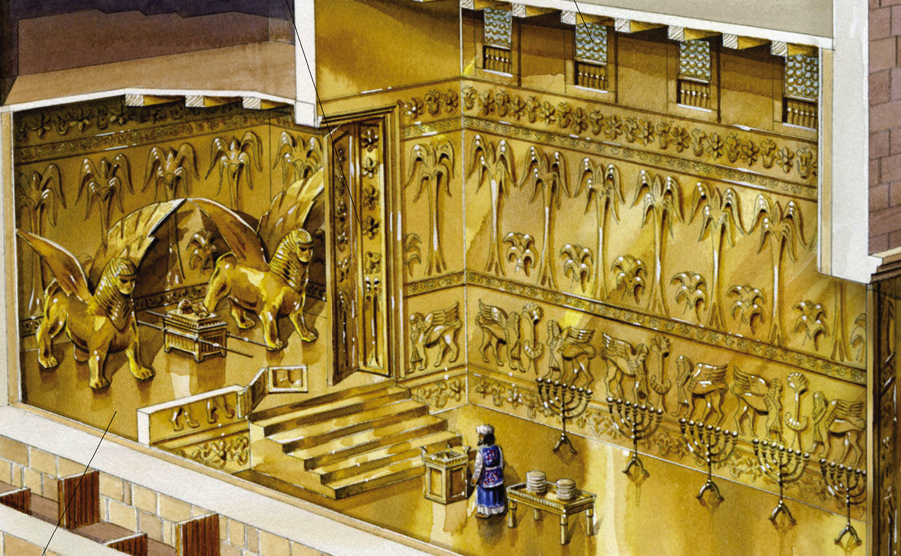
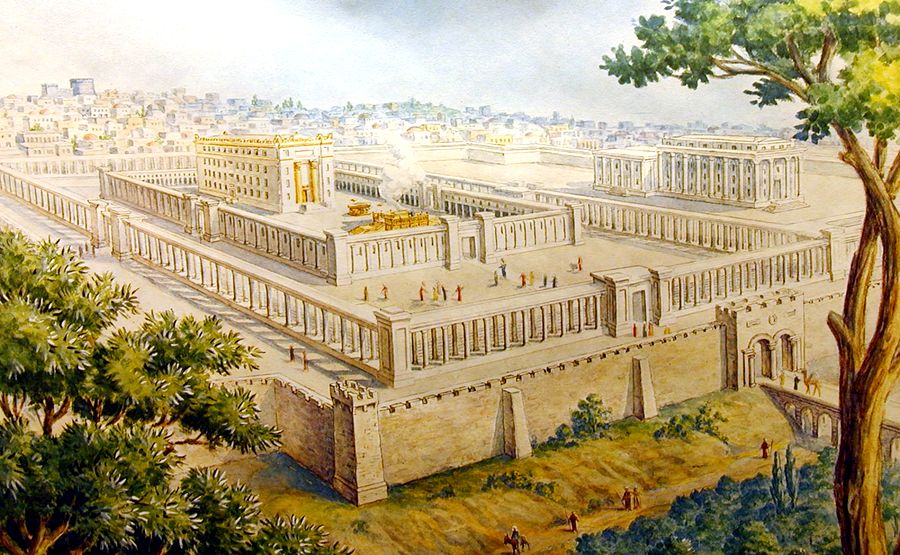
The Jerusalem Temple, particularly Solomon’s, serves as a microcosm—a scaled representation of the universe and Eden. Its tripartite structure (outer court, holy place, holy of holies) reflects the three-story cosmos: earth, heavens, and the divine realm beyond. Decorated with Edenic imagery like fruit trees and cherubim, it evokes the garden sanctuary while symbolizing the entire creation (1 Kings 7:15-50). In Orthodox theology, this temple embodies the covenant, uniting heaven and earth as an imago mundi or image of the world. The tabernacle instructions in Exodus parallel Genesis’ creation narrative, underscoring the sanctuary as a portable cosmos where God’s presence dwells amid His people (Exodus 25-31). Church Fathers like St. Basil the Great saw it as a model for Orthodox churches, which replicate this cosmic pattern in their architecture and liturgy. Ultimately, this temple points forward to Christ, whose body fulfills and transcends it (John 2:19-21).
The Human Being as a Temple of God’s Presence
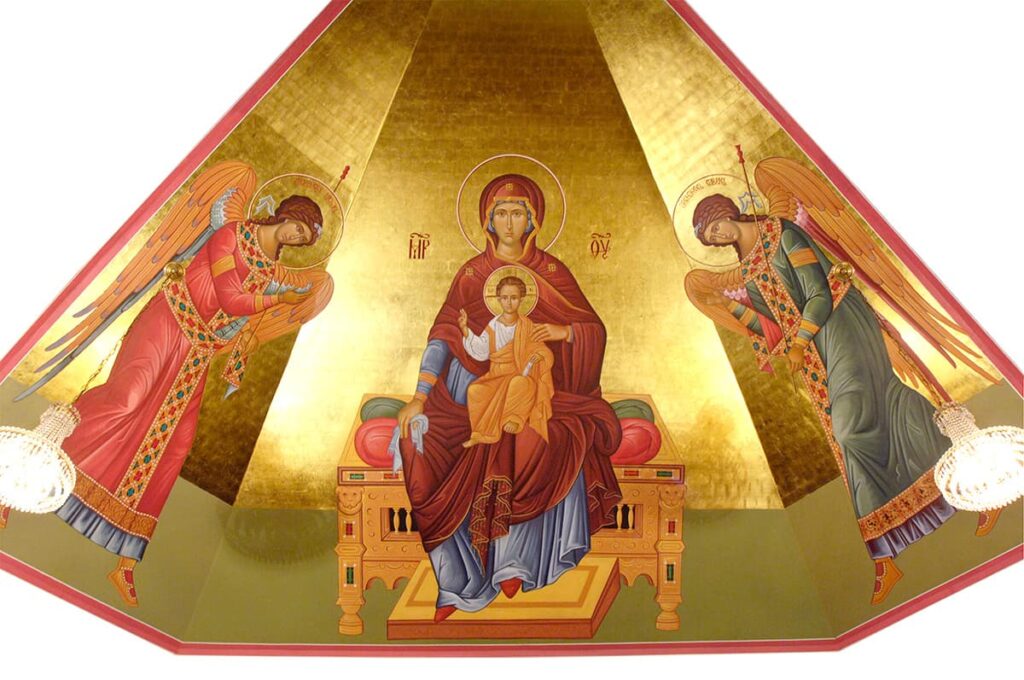
Scripture extends the temple motif inward, declaring the human person a dwelling place for God. Ezekiel’s visions portray the temple filled with divine glory, prefiguring the Church and humanity’s restoration (Ezekiel 44:1-10; 37:1-14). St. Paul echoes this: “Do you not know that your body is a temple of the Holy Spirit?” (1 Corinthians 6:19). Jesus Christ is the supreme embodiment, the incarnate Word in whom “the fullness of the Godhead dwells bodily” (Colossians 2:9), destroying the temple of His body and raising it in three days. The Theotokos exemplifies this as the living temple, her womb becoming the throne of the Word of God Incarnate, fulfilling Ezekiel’s sealed eastern gate (Ezekiel 44:1-3). In her, humanity hosts the divine without confusion, as patristic hymns proclaim her the “immaculate chamber of the Word.” This anthropology reveals each person as a micro-temple, designed for God’s indwelling.

Designed to Host the Trinity: Like Zion, Not Babylon
Humanity’s purpose is to host the Holy Trinity, facilitating divine communion rather than hindering it through sin. Zion symbolizes this ideal—a sacred mountain where God dwells among His people, the center of peace and covenant (Psalm 132:13-14). In contrast, Babylon represents exile, confusion, and rebellion against God, a place of division and idolatry (Revelation 18). Orthodox theology calls believers to embody Zion mystically: pure, unified, and receptive to the Father, Son, and Holy Spirit. The Trinity—eternal communion of three Persons in one essence—invites humanity into this life, as St. John of Damascus affirms God’s undivided union. By grace, we become temples like Zion, avoiding Babylon’s chaos through repentance and sacramental life, fulfilling our design as co-dwellers with the divine.
Theosis: The Meaning and Purpose of Orthodox Worship and Theology
This nested temple theology finds its fulfillment in theosis, the transformative process of becoming like God through union with Him. As St. Athanasius declared, “God became man so that man might become god,” echoing 2 Peter 1:4’s call to partake in the divine nature. Theosis is humanity’s true vocation: acquiring godly characteristics, immortality, and intimate communion with the Trinity. Orthodox worship—through liturgy, icons, and sacraments—facilitates this deification, making the church a space where heaven invades earth. Theology serves not as abstract speculation but as a guide to this experiential union, purifying the soul for divine encounter. In essence, the purpose of Orthodox life is theosis: to restore the temple within, hosting God’s presence eternally.
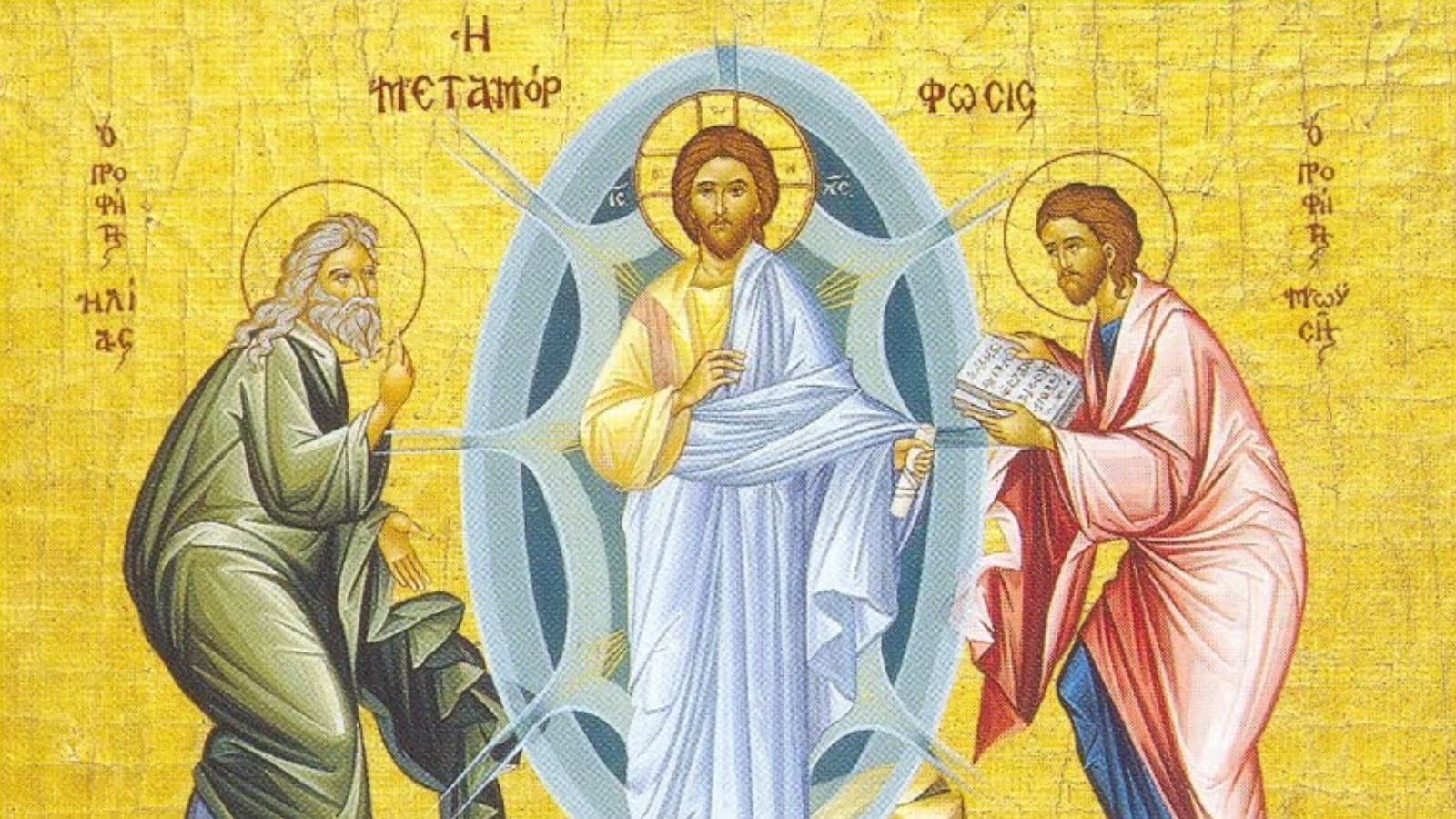
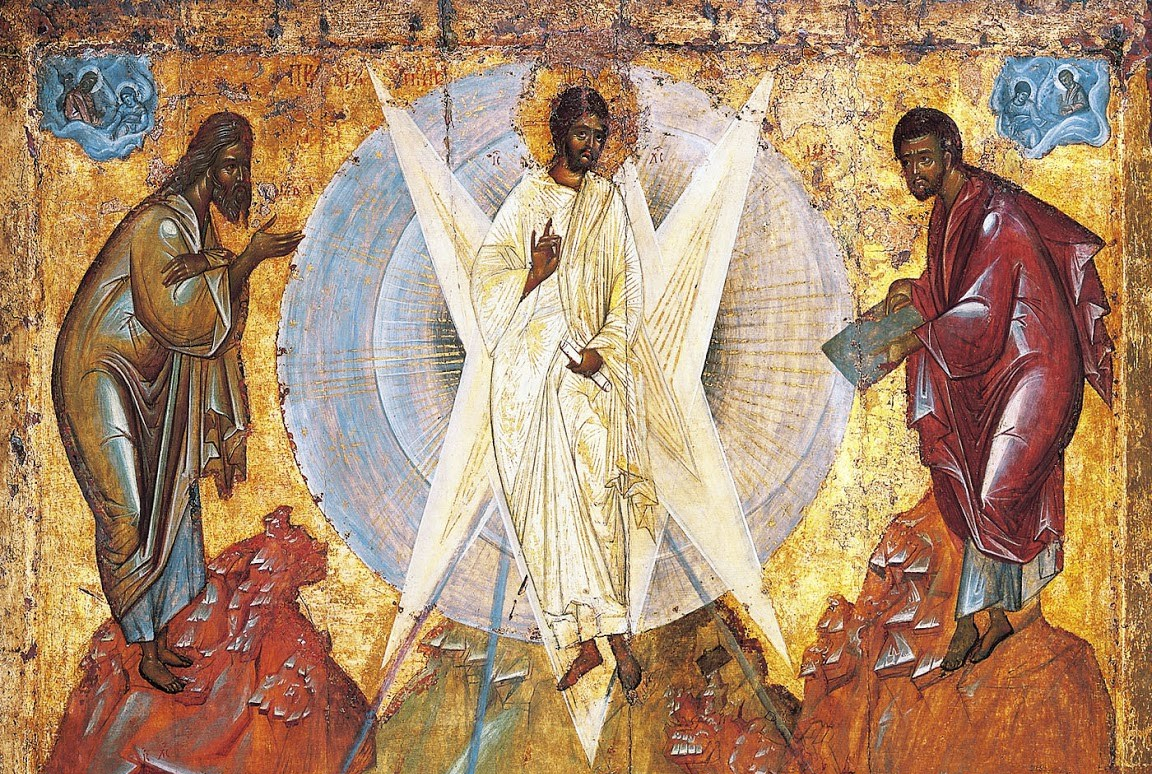
Through these temples within temples, Orthodox Christianity unveils a cosmic vision of the very precise design and purpose of human existence and therefore salvation, where all creation converges in divine love.
Images sourced from Orthodox iconographic traditions for illustrative purposes.