
Mary, Queen Mother (Gebirah) of David’s Eternal Kingdom
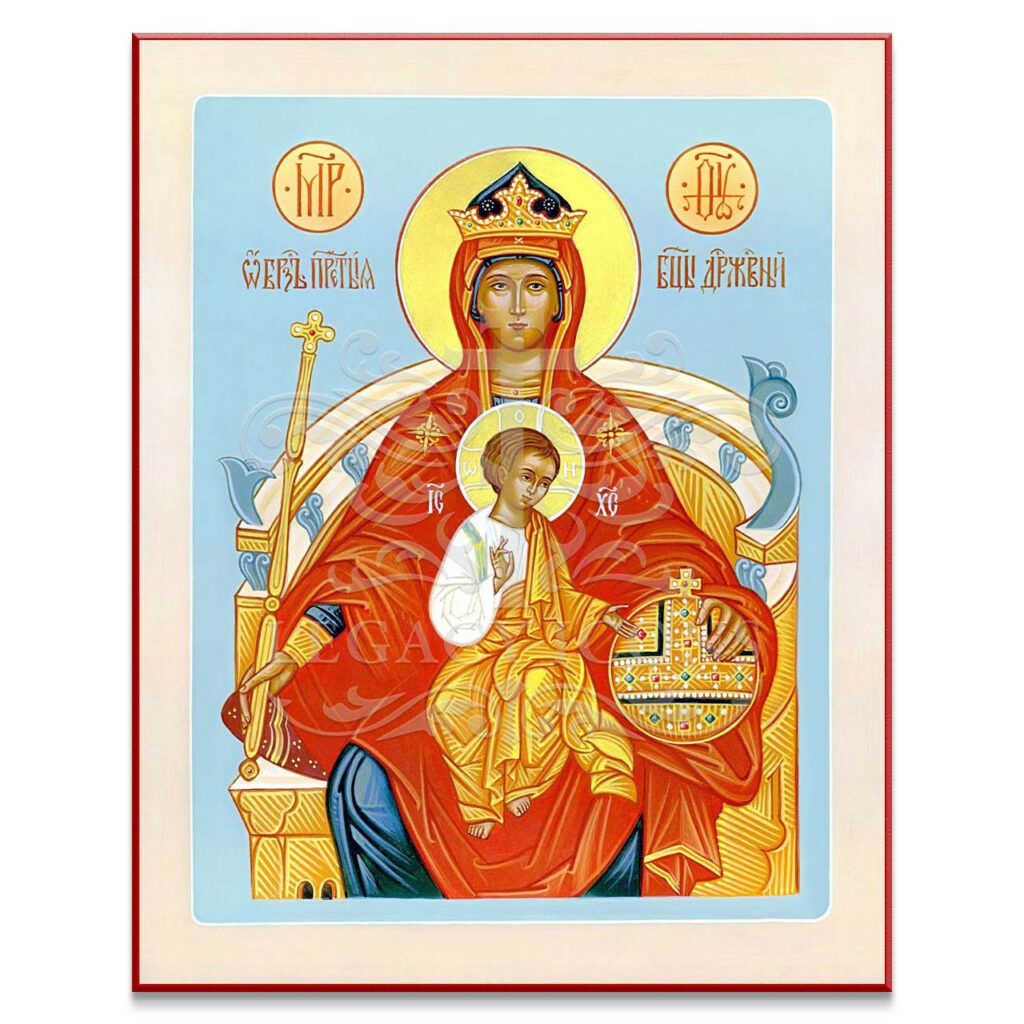
Mary, Queen Mother (Gebirah) of David’s Eternal Kingdom In the ancient Davidic kingdom, the role of the queen mother, or gebirah (גְּבִירָה), was one of profound influence and authority. Unlike the king’s wife, who might share his affections with others in a polygamous court, the queen mother held a unique position as the primary advisor […]
Temples Within Temples
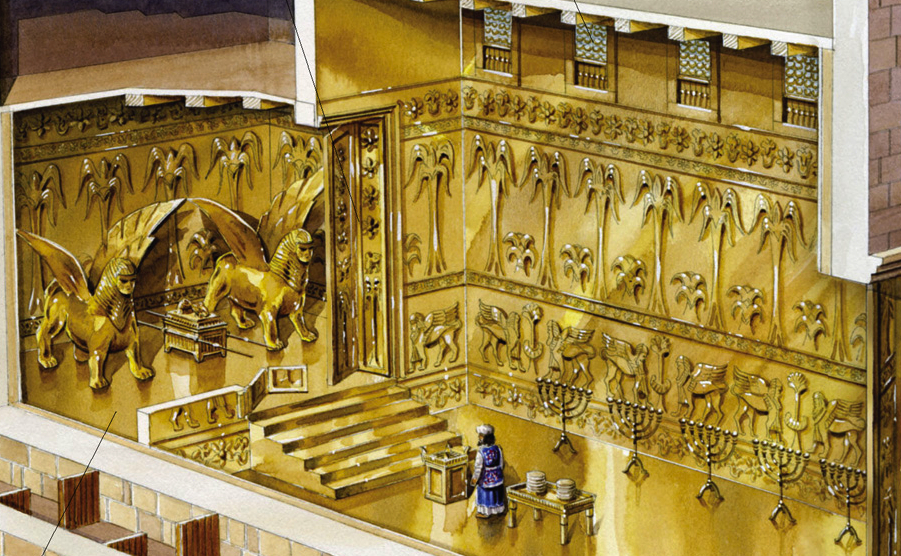
In Orthodox Christian theology, the concept of the temple unfolds in layers, revealing a profound interconnectedness between creation, humanity, and the divine. Drawing from Holy Scripture and the writings of the Church Fathers, this motif illustrates how God’s presence permeates all existence in a nested hierarchy—from the vast cosmos to the intimate depths of the […]
Divergent Paths: Roman Catholic and Orthodox Views on Apostolic Succession
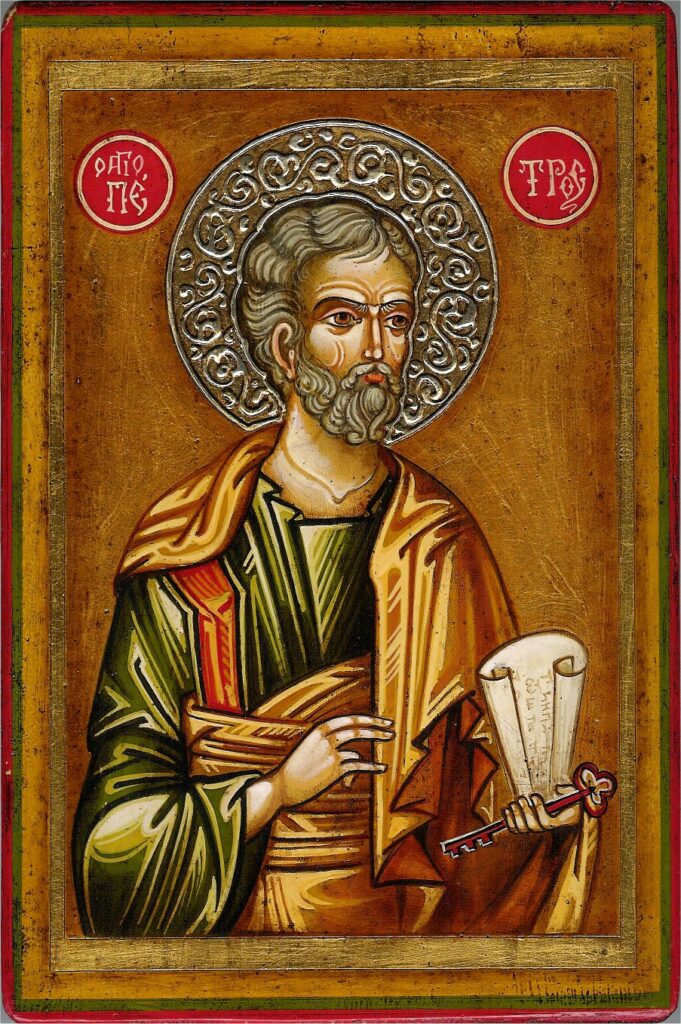
Apostolic succession is a foundational doctrine in both Roman Catholic and Eastern Orthodox traditions, referring to the uninterrupted transmission of spiritual authority (and teachings) from the apostles to bishops and presbyters through the laying on of hands. This ensures the continuity of the Church’s teaching, sacraments, and governance. However, the two traditions diverge significantly in […]
Icons and Idols: A Defense of the Orthodox Theology of Icons (Biblical and Apostolic Foundations)
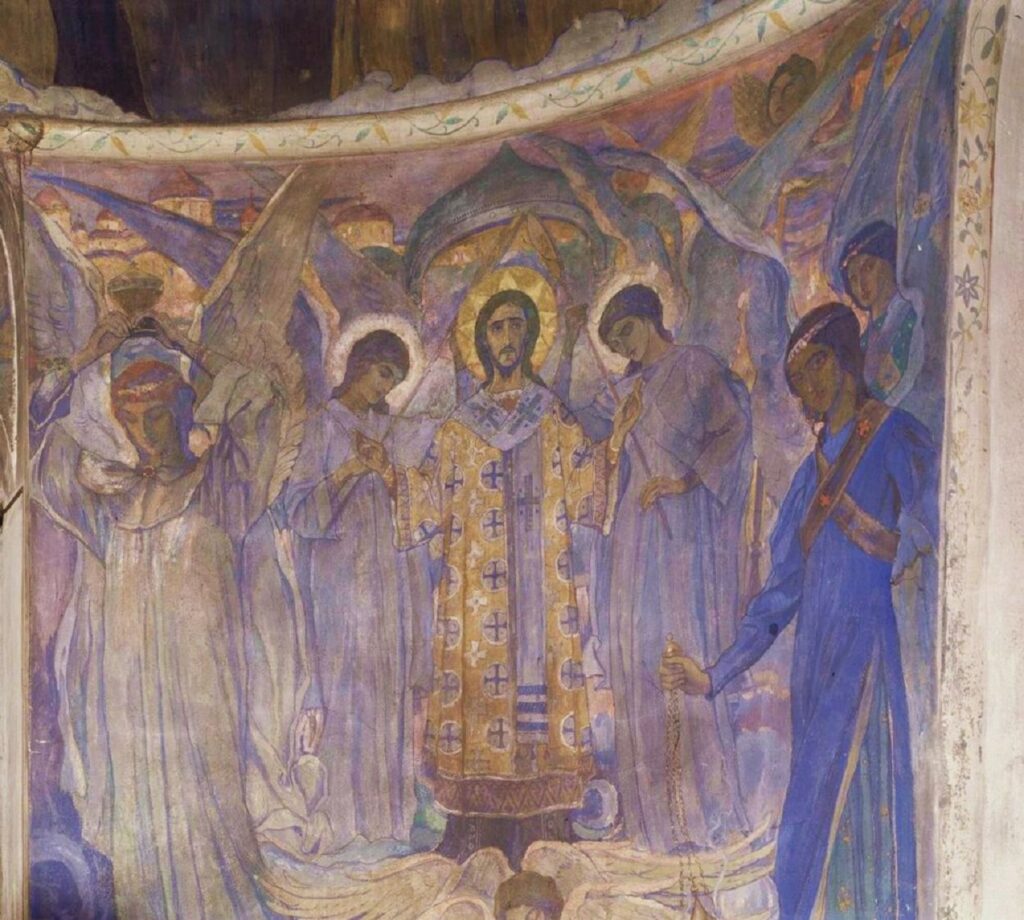
Introduction The veneration of holy icons stands as a cornerstone of Orthodox Christian worship, embodying a profound theological reality rooted in Scripture and the apostolic tradition. Far from being a late innovation or a concession to paganism, as iconoclasts have claimed, the use of icons reflects the biblical understanding of creation, incarnation, and the economy […]
On Kneeling and Prostration on Sunday (Orthodox Liturgy, Consecration)
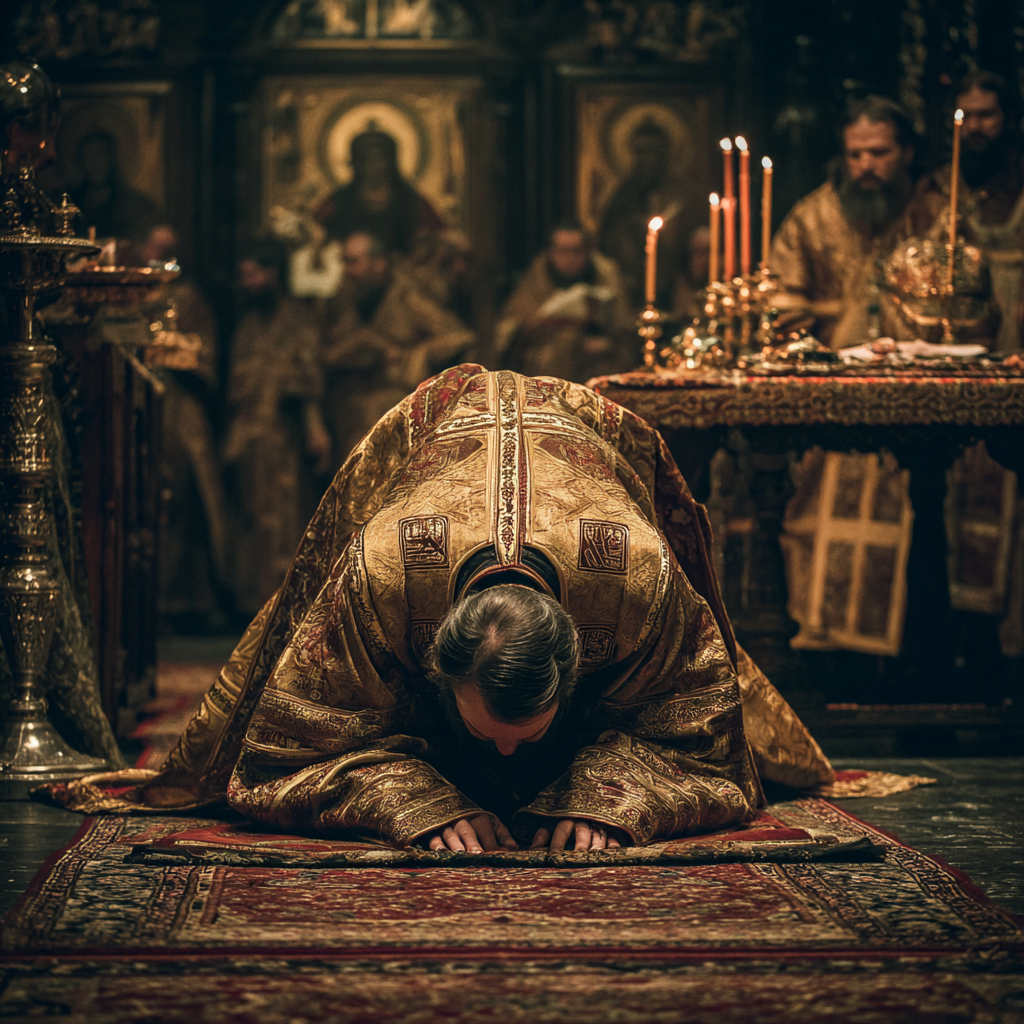
Postures of Prayer in the Eastern Orthodox Divine Liturgy: Kneeling, Prostration, and Local Variations The Eastern Orthodox Church richly embodies prayer through physical postures, reflecting deep theology and participation in worship. Two key factors shape local practices regarding kneeling and full prostrations during the Divine Liturgy: (1) whether the Anaphora (Eucharistic prayers of consecration) is […]
Daniel’s Acceptance of Prostration and Incense: An Orthodox Reflection on Daniel 2:46-47
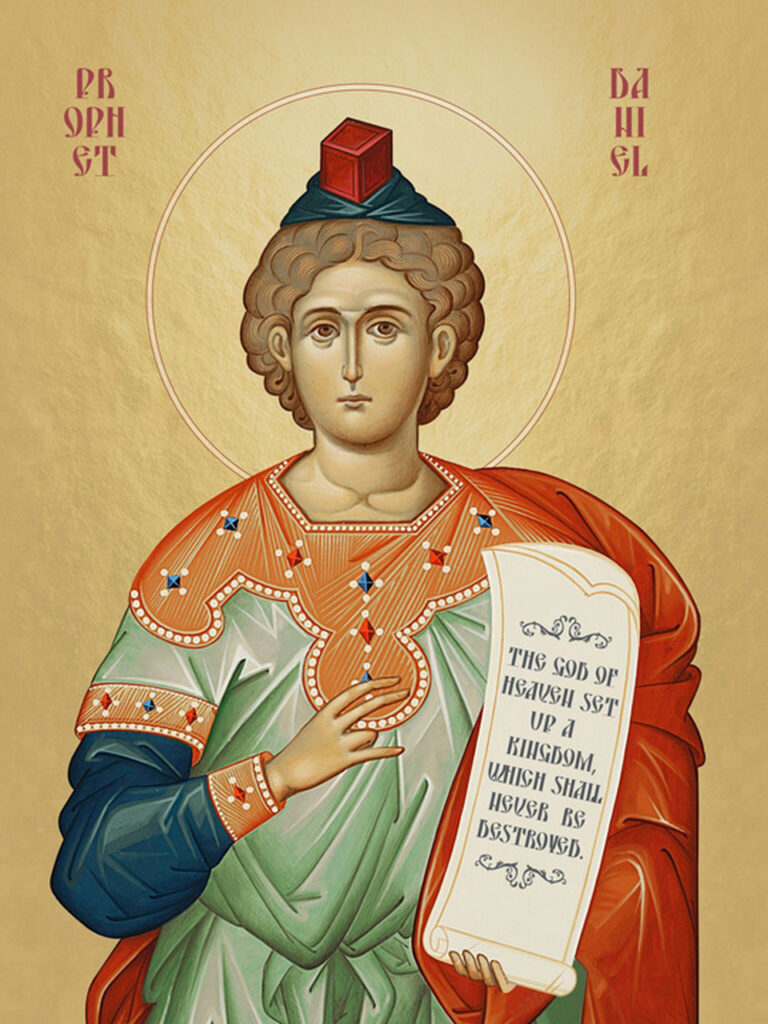
In the Book of the Prophet Daniel, chapter 2, we encounter an often-overlooked moment following the revelation and interpretation of King Nebuchadnezzar’s dream. The text states: Then King Nebuchadnezzar fell on his face, prostrate before Daniel, and commanded that incense be offered to him. The king answered Daniel, and said, “Truly your God is the […]
Daniel, Josephus and Alexander the Great: An Orthodox reflection on a fulfilled prophecy
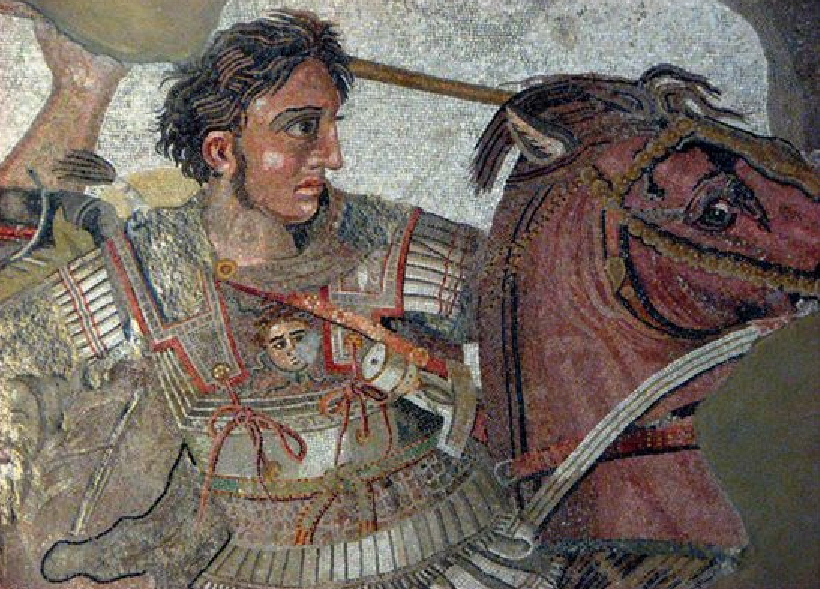
Alexander the Great and the Book of Daniel: A Providential Encounter in Josephus In the Eastern Orthodox Christian tradition, the Book of Daniel holds a central place among the prophetic writings of the Old Testament. Revealed to the holy prophet Daniel during the Babylonian captivity, it unveils divine mysteries concerning the succession of empires, the […]
Great Vespers: A Funeral Ode of Thanksgiving for the Old Creation
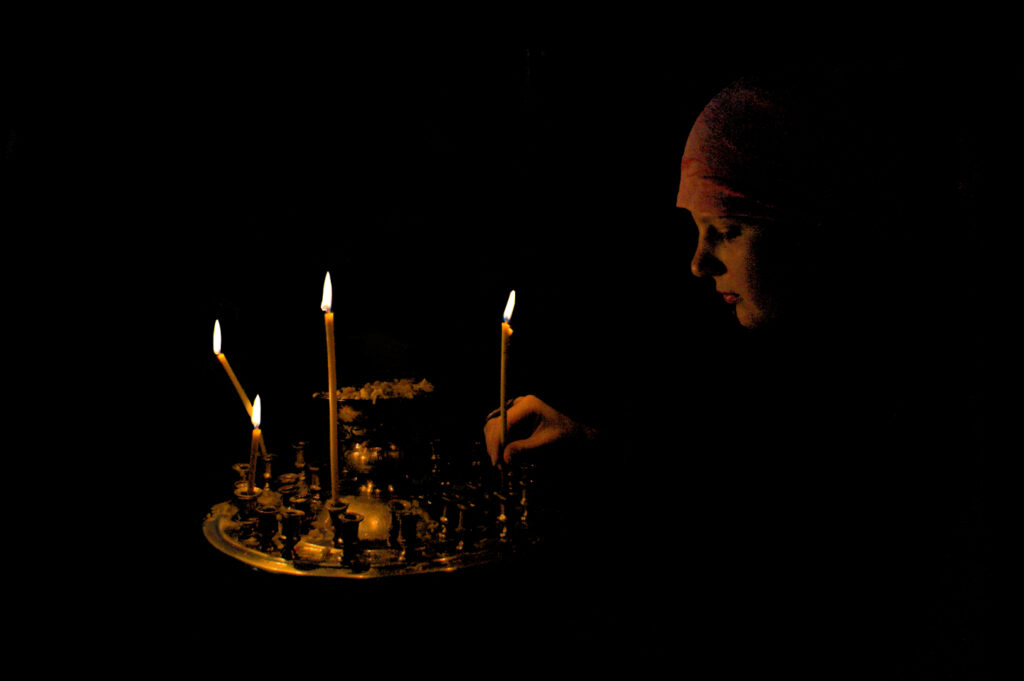
Great Vespers: A Funeral Ode of Thanksgiving for the Old Creation and the Entrance into the Eighth Day In the Eastern Orthodox Church (as in the Bible!), the liturgical day does not begin at midnight or at dawn, but at sunset. When the first three candles are lit on the solea and the royal doors are […]
Hebrews 11:35–38 and… 4 Maccabees
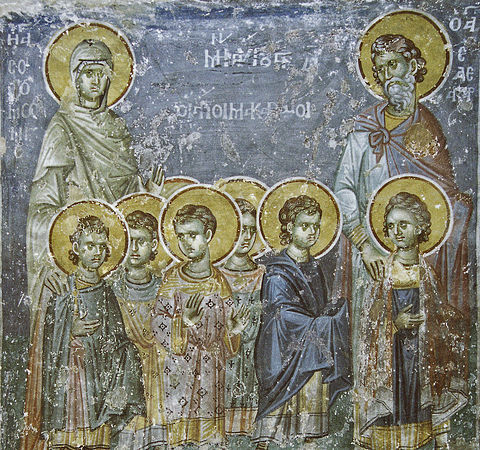
Does Hebrews 11 on the Maccabees Show Stronger Alignment with 4 Maccabees than 2 Maccabees? Hebrews 11 (the famous “Hall of Faith” chapter) does not explicitly mention the Maccabees by name, but many scholars and early Christian interpreters saw verses 35–38 as clear allusions to the martyrdom stories of the Maccabean era: “Women received back […]
Apostolic Succession was and still is a big deal: Early Christian voices
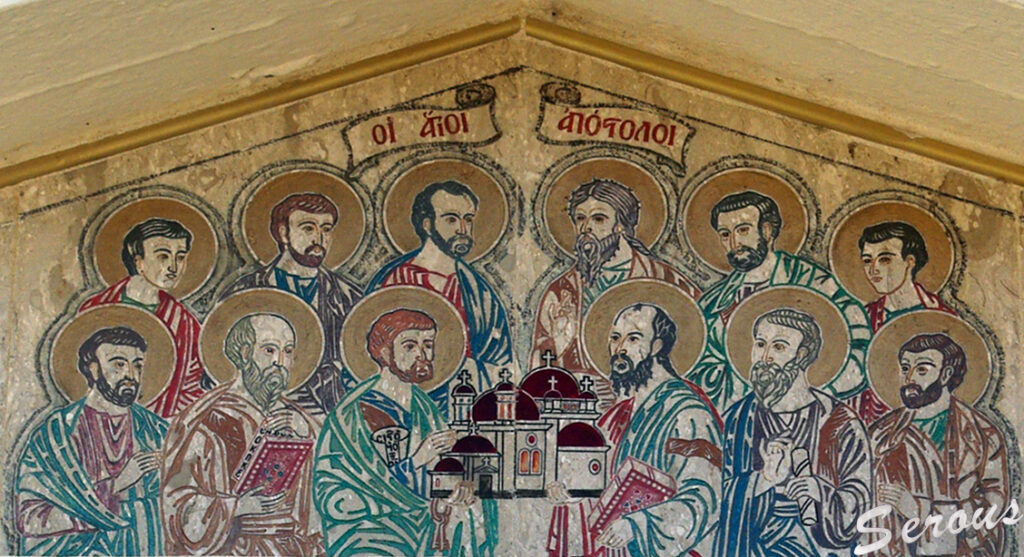
The Importance of Apostolic Succession in the Pre-Nicene Era Apostolic succession, a foundational principle of early Christian ecclesiology, ensured the continuity of apostolic authority and teaching through the orderly transmission from apostles to bishops and presbyters. In the pre-Nicene era (before the First Council of Nicaea in 325 AD), this doctrine did not imply that […]